⚡ DTH Drilling Efficiency Comparison — Why It Outperforms Other Methods
In drilling operations, efficiency directly impacts productivity and cost per meter.
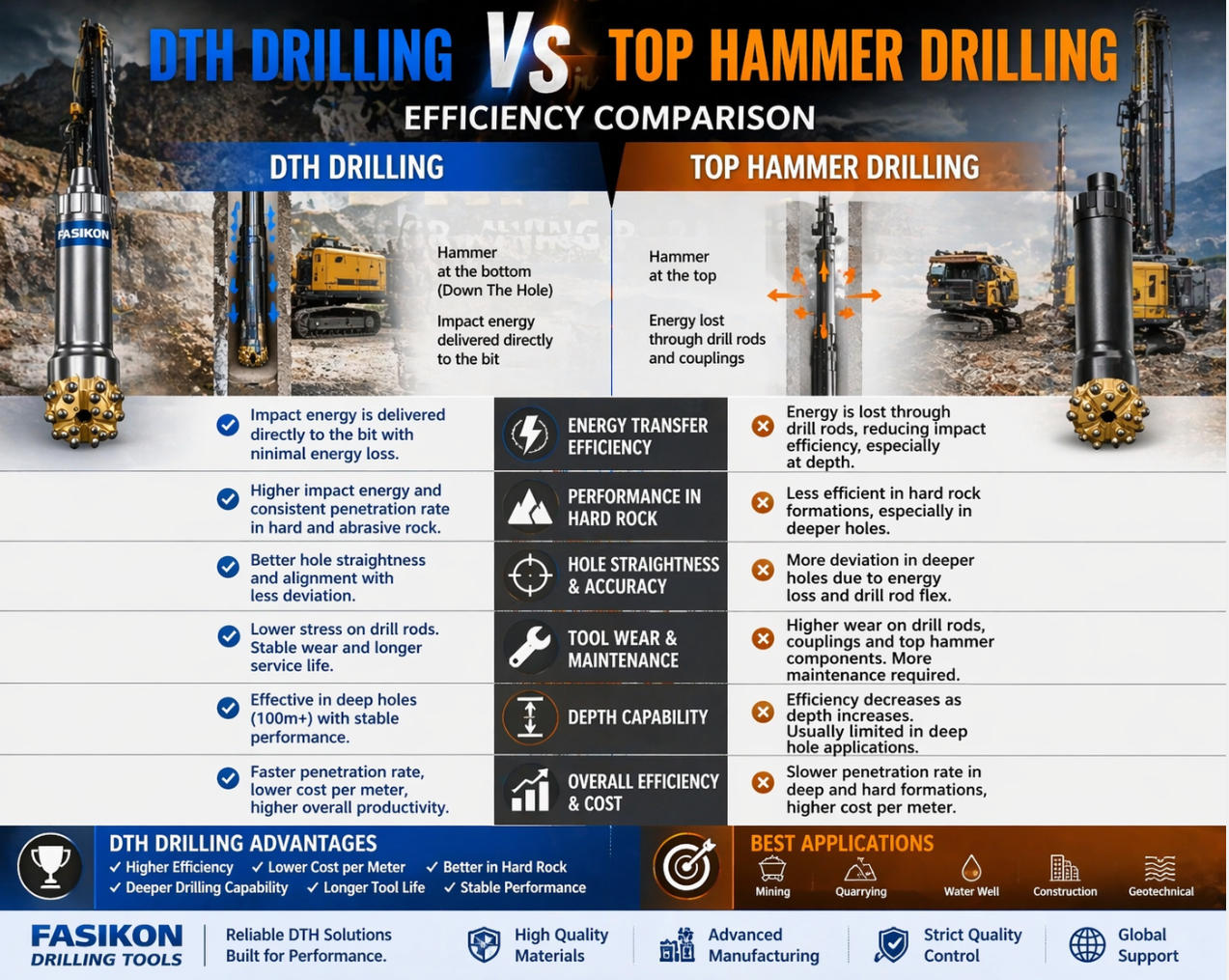
Among the most commonly used methods, DTH drilling and top hammer drilling are often compared — especially in hard rock applications.
So what makes DTH drilling more efficient?
🔧 1️⃣ Energy Transfer Efficiency
DTH Drilling
✔ Impact energy is delivered directly to the drill bit
✔ Minimal energy loss
Top Hammer Drilling
❌ Energy is lost through drill rods
❌ Reduced impact efficiency at depth
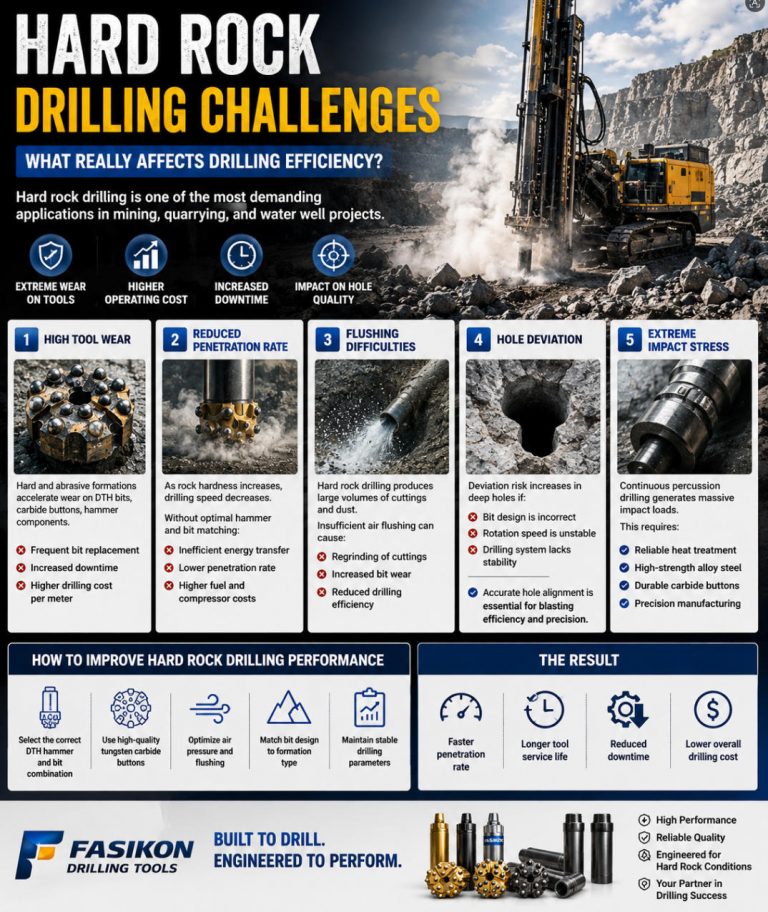
🪨 2️⃣ Performance in Hard Rock
DTH drilling provides:
✔ Higher impact energy
✔ Consistent penetration rate
✔ Better performance in granite, basalt, and abrasive formations
Top hammer systems tend to lose efficiency as hole depth increases.
📏 3️⃣ Hole Straightness
DTH drilling:
✔ Better hole alignment
✔ Reduced deviation
✔ More accurate drilling
Top hammer drilling:
❌ More deviation in deeper holes
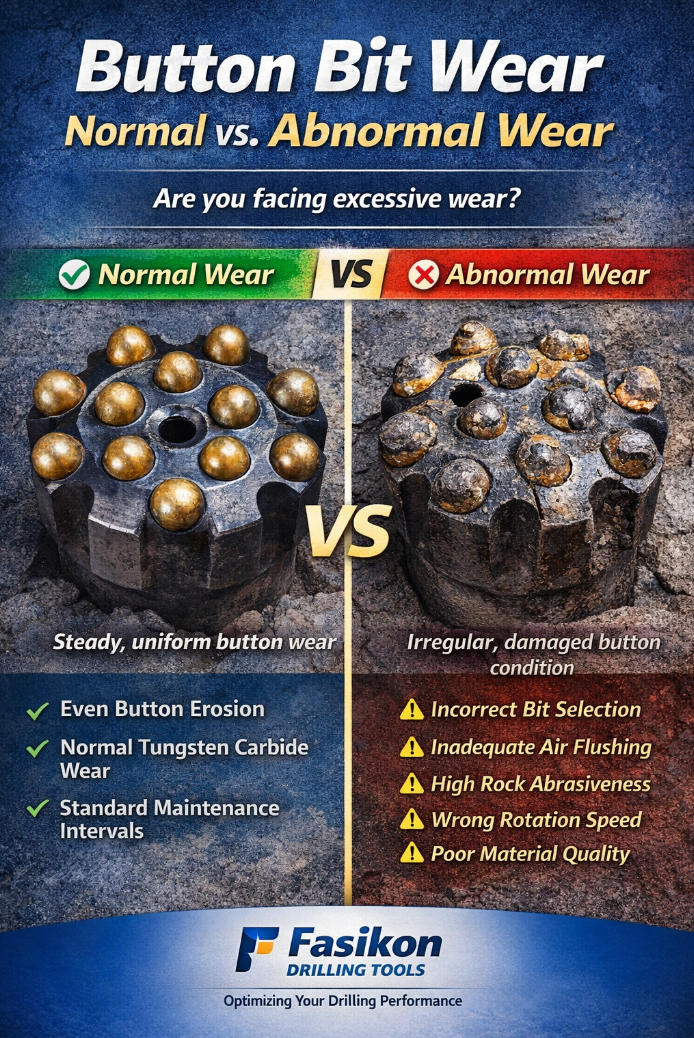
🔄 4️⃣ Tool Wear & Maintenance
DTH drilling:
✔ Lower stress on drill rods
✔ More stable wear patterns
Top hammer:
❌ Higher wear on rods and couplings
❌ More maintenance required
📊 The Result
DTH drilling delivers:
✔ Faster penetration rate
✔ Lower cost per meter
✔ Improved drilling stability
✔ Better performance in deep holes
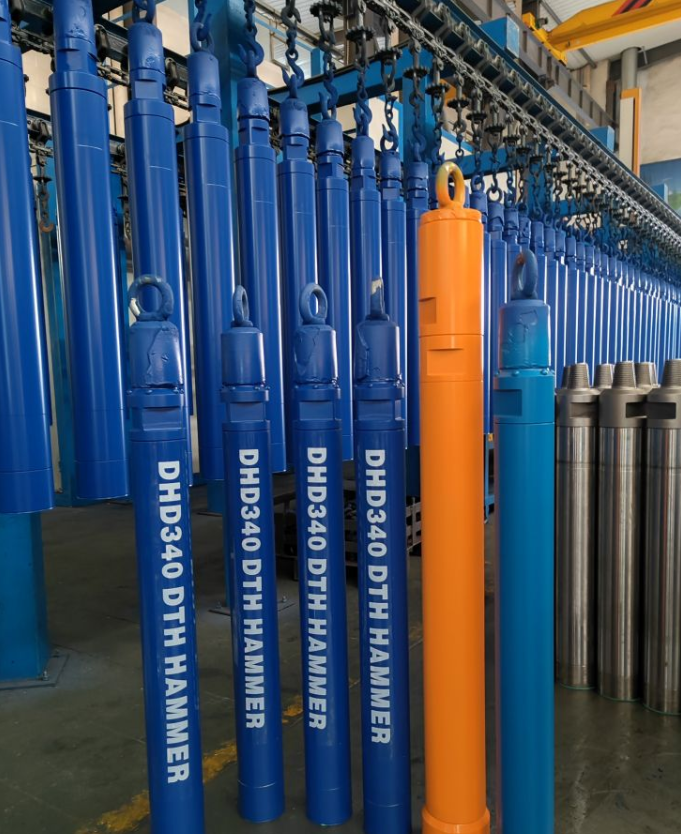
At Fasikon Drilling Tools, we focus on optimizing the full DTH system — hammer, bit, and air pressure — to achieve maximum efficiency in real working conditions.
📩 If you’re comparing drilling methods for your next project, let’s connect.